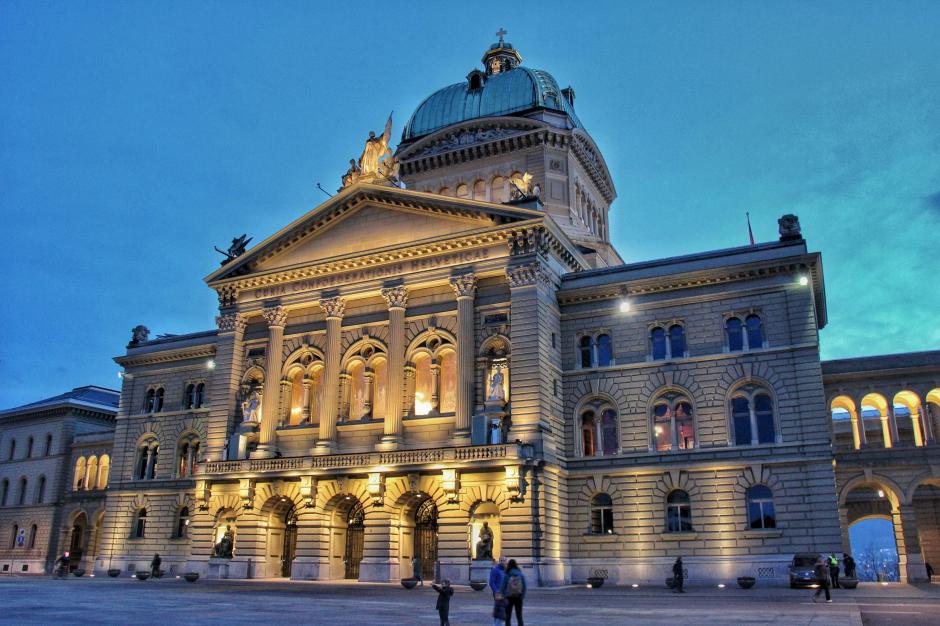
16. Februar 2026Allgemeines
Swiss voters to decide on individual taxation for married couples
On 8 March 2026, Swiss voters will decide whether married couples should be taxed individually rather than jointly, in a referendum that could significantly reshape the federal tax system. The vote follows parliamentary approval of a reform aimed at ending what is commonly referred to as the “marriage penalty.”
Background: Joint taxation and the “marriage penalty”Under the current system, married couples submit a single tax return and are taxed jointly. For many dual-income households, this can result in a higher tax burden than that borne by two unmarried individuals with the same combined income. Although various corrective mechanisms exist within the current framework, critics have long argued that joint taxation creates structural disadvantages for certain household models. The Proposed ReformThe reform would introduce individual taxation for married couples at the federal level. Each spouse would file separately and be taxed under the same rules that apply to unmarried individuals. According to supporters, the reform aims to:
The Federal Council has argued that the change could support labour market participation. The legislative package also includes adjustments to tax scales and higher child deductions intended to mitigate potential negative effects. Points of DebateOpponents of the reform warn that individual taxation could:
They argue that the current system already contains mechanisms designed to reduce disparities. OutlookIf approved, the reform would mark a significant structural change to the federal tax framework and could have meaningful implications for households, workforce participation, and intergovernmental fiscal balances. Further developments will depend on the outcome of the referendum and, if adopted, on the implementation process at the federal and cantonal levels. Kontakte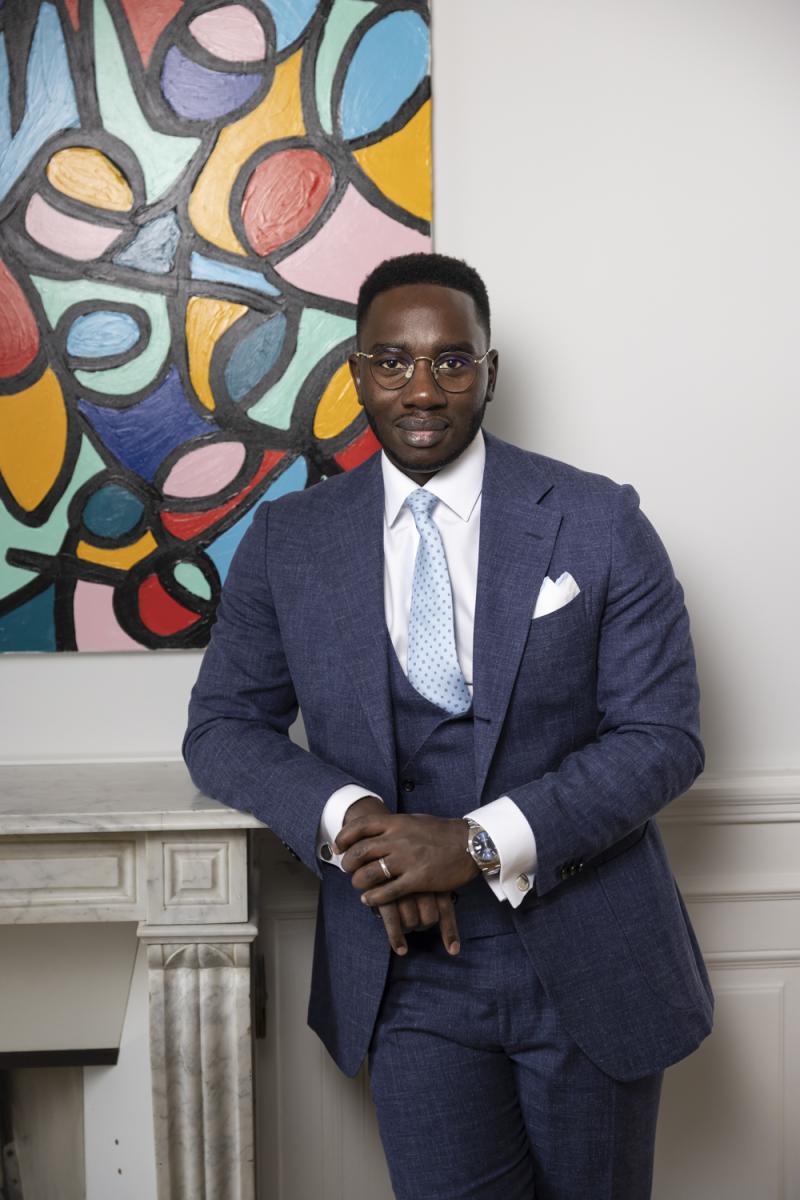 Didier NsanzinezaTel. +41 58 200 32 00 didier.nsanzineza@kellerhals-carrard.ch 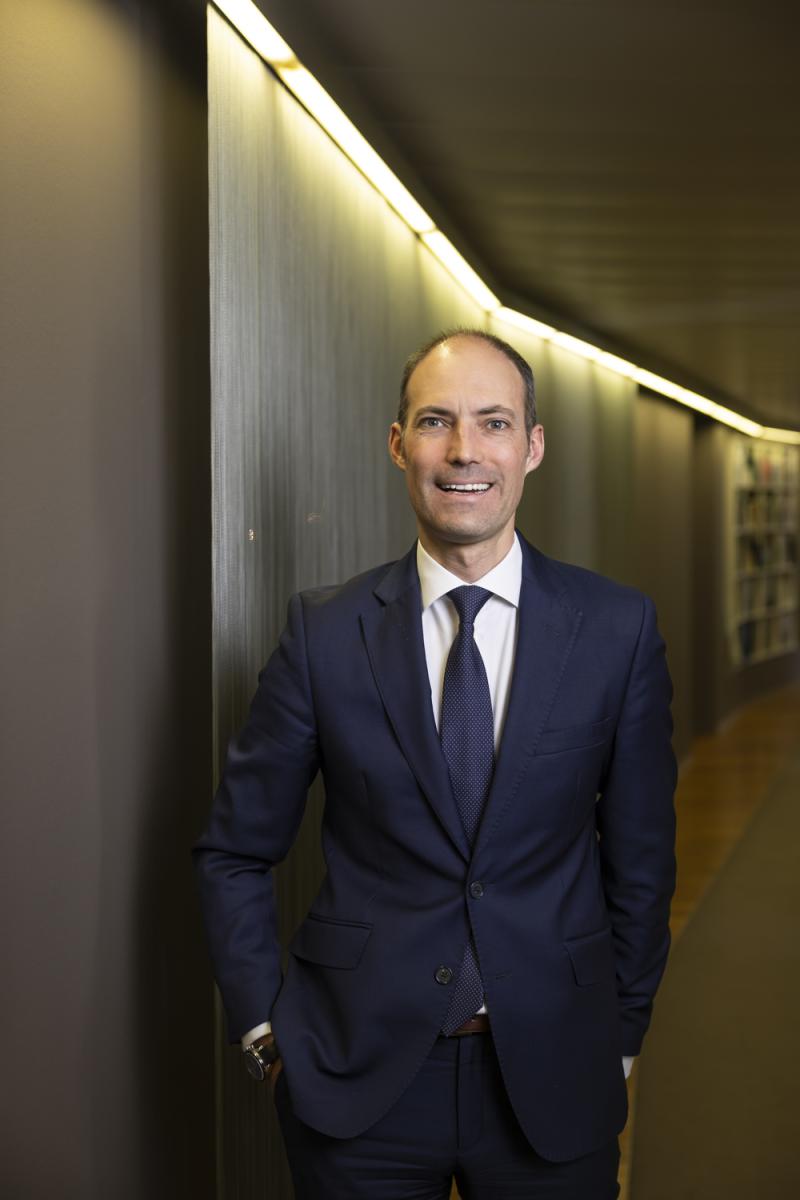 Serge MigyTel. +41 58 200 33 26 Fax +41 58 200 33 11 serge.migy@kellerhals-carrard.ch 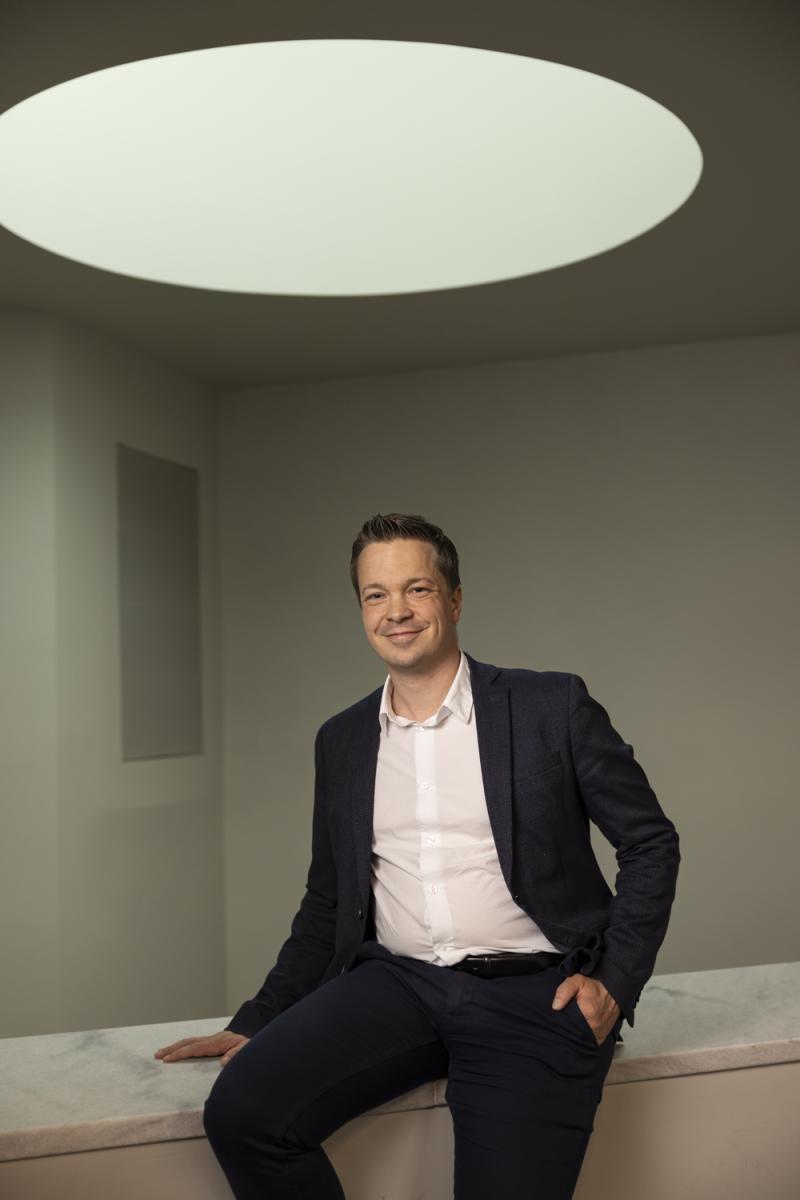 Marco SiboldTel. +41 58 200 30 54 Fax +41 58 200 30 11 marco.sibold@kellerhals-carrard.ch  Dr. Angelica Maria SchwarzTel. +41 58 200 39 00 Fax +41 58 200 39 11 angelica.schwarz@kellerhals-carrard.ch |